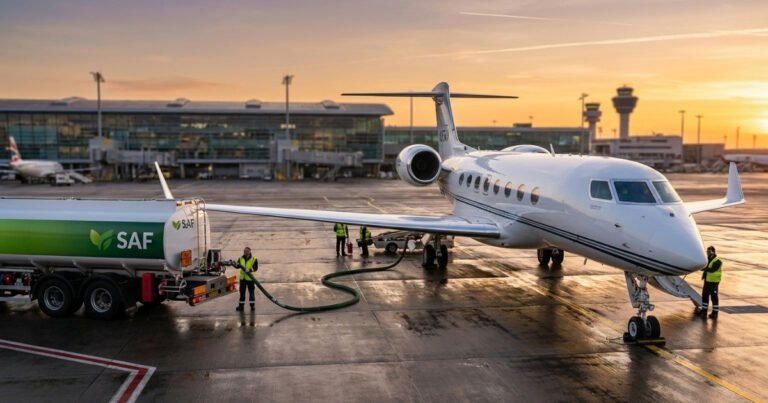
private jet Asia Pacific is rapidly transforming the way business leaders and affluent travelers move across the region, but navigating this dynamic market requires clarity on costs, regulations, and service quality. This comprehensive guide addresses the unique challenges and opportunities of chartering private jets in Asia-Pacific, helping you make informed decisions for both business and leisure travel.
Key Takeaways
- The private jet Asia Pacific market is projected to grow from US$24.5 billion in 2026 to US$40.8 billion by 2033, with a CAGR of 7.5%.
- Senior executives, entrepreneurs, and high-net-worth leisure travelers dominate demand, preferring on-demand charters over fractional ownership.
- Opaque pricing and hidden fees are common pain points—ancillary charges can add 10-20% to quoted rates.
- Charter costs vary by country and jet class; light jets in Singapore and Hong Kong typically cost US$4-7k per hour plus extras.
- Peak travel seasons like Chinese New Year can increase prices by 20-40% and reduce aircraft availability.
- Technological advancements—AI booking, IoT maintenance, and sustainability initiatives—are reshaping the Asia-Pacific private jet experience.
The Growing Market for Private Jet Charters in Asia-Pacific
The private jet Asia Pacific market is experiencing unprecedented growth, fueled by rising disposable incomes, increased corporate travel, and a shift toward personalized air mobility. According to recent market analysis, the Asia-Pacific private jet charter sector is projected to expand from US$24.5 billion in 2026 to US$40.8 billion by 2033, representing a compound annual growth rate (CAGR) of approximately 7.5% [2]. This surge is not only driven by business executives but also by leisure travelers seeking flexibility and privacy.

Major business hubs such as Singapore, Hong Kong, Sydney, and Tokyo are at the forefront, but demand is also rising in emerging markets like Vietnam, Indonesia, and the Philippines. The region’s diverse geography and rapid economic development make private aviation a practical solution for time-sensitive travel, especially where commercial airline connectivity is limited.
For a deeper look at global charter trends and how Asia-Pacific compares, see our Private Jet Charter 2026: Smart Guide to Flying for Less.
Understanding User Demographics and Preferences
The Asia private jet charter landscape is shaped by a distinct clientele. Senior executives, entrepreneurs, and high-net-worth individuals (HNWIs) are the primary users, often opting for on-demand charter services rather than fractional ownership or jet cards. This preference is rooted in the desire for flexibility, privacy, and the ability to tailor each journey to specific business or leisure needs.
Recent studies show that on-demand chartering is favored due to its lack of long-term commitment and the ability to select aircraft type and service level for each trip. Leisure travelers, particularly families and small groups, are increasingly using private jets for regional holidays, medical evacuations, and special events.
For those comparing aircraft options, our Luxury Private Jet Interiors: Ultimate 2026 Guide offers insights into cabin features and comfort across popular models.
Common Pain Points in Private Jet Chartering
Despite its advantages, booking a private jet Asia Pacific charter is not without challenges. One of the most persistent issues is opaque pricing. Many users report frustration with quotes that do not include all ancillary charges—such as landing fees, handling, crew overnight costs, and repositioning fees—which can add 10-20% to the base hourly rate [9].
Another common pain point is limited awareness of smaller regional airports. Many travelers default to major hubs, missing out on the convenience and potential cost savings of lesser-known airports. Baggage restrictions, last-minute special requests, and inconsistent customer service further complicate the experience.
To avoid these pitfalls, see our guide on Top Mistakes to Avoid When Booking a Private Jet Charter.
Average Costs and Hidden Fees in Different Countries
Asia private jet charter pricing varies widely by country, aircraft class, and route. In established markets like Singapore and Hong Kong, light jets typically cost US$4,000–7,000 per hour, while midsize jets range from US$7,000–12,000, and large-cabin aircraft can command US$12,000–25,000 per hour. These rates are indicative and exclude ancillary charges such as airport fees, de-icing, customs, crew accommodation, and optional concierge services.
| Country/Region | Light Jet (US$/hr) | Midsize Jet (US$/hr) | Large Cabin (US$/hr) | Common Ancillary Fees |
|---|---|---|---|---|
| Singapore | 4,000–7,000 | 7,000–12,000 | 12,000–25,000 | Landing, handling, crew, customs |
| Hong Kong | 4,500–7,000 | 7,500–13,000 | 13,000–25,000 | Airport, overnight, repositioning |
| Australia | 4,500–8,000 | 8,000–14,000 | 14,000–26,000 | Fuel surcharges, parking, crew |
| Japan | 5,000–8,000 | 9,000–15,000 | 15,000–28,000 | ATC, customs, de-icing |
It’s crucial to request a detailed breakdown of all potential fees before confirming your charter.
Want to Compare the Real Cost?
Get an indicative quote to compare full charter pricing with your current travel options.
For a global perspective on pricing and how to spot hidden costs, visit our Private Jet Charter Cost 2026 guide.
Navigating Regulatory and Safety Standards
Every private jet Asia Pacific charter operator must comply with strict regulatory frameworks. Operators are required to hold an Air Operator Certificate (AOC) equivalent to the FAA Part-135 standard and adhere to International Civil Aviation Organization (ICAO) regulations [3]. Many reputable providers also maintain third-party safety certifications such as ARGUS Platinum Elite, WYVERN Wingman PRO, or IS-BAO Stage 3 [8].
These standards ensure rigorous airworthiness, scheduled maintenance, and crew training. However, regulatory complexity can increase costs and cause operational delays, especially for multi-country itineraries. Travelers should verify operator credentials and request up-to-date safety documentation before booking.
For more on safety and compliance, see our Best Private Jet Charter Companies 2026 rankings.
Peak Travel Seasons and Their Impact on Pricing
Peak travel periods in Asia-Pacific—such as Chinese New Year (January–February), Golden Week (October), and the summer holiday season (June–August)—can drive up Asia private jet charter prices by 20–40%. Aircraft availability tightens, and preferred departure slots become scarce. During these times, booking well in advance is essential to secure your desired aircraft and itinerary.

Empty leg flights—discounted one-way repositioning trips—can also offer significant savings if your schedule is flexible. For strategies to find these deals, see our guide on Empty Leg Flights Last Minute: 7 Best Ways To Save.
Technological Advancements Enhancing User Experience
Innovation is reshaping the private jet Asia Pacific charter experience. AI-powered booking platforms now offer instant quotes, dynamic pricing, and voice-assisted interfaces, streamlining the reservation process. IoT-based predictive maintenance systems help minimize delays and enhance safety by monitoring aircraft health in real time [4].
Other advancements include blockchain-secured documentation workflows, improved in-flight connectivity, and the introduction of hybrid-electric propulsion prototypes. These technologies not only improve transparency and operational efficiency but also address the growing demand for sustainability and environmental responsibility. For more on sustainable aviation, see our SAF Private Jet Charter: 7 Best Ways to Fly Sustainably.
Limitations and Common Pitfalls in Asia-Pacific Private Jet Charter
While the private jet Asia Pacific market offers unmatched flexibility, several limitations persist. Regulatory complexity across borders can cause unexpected delays and additional paperwork. Opaque pricing structures and hidden fees remain a source of frustration, especially for first-time charterers. Limited awareness of regional airports may lead to unnecessary repositioning costs and longer ground transfers.
Additionally, not all operators offer the same level of customer service or aircraft maintenance standards. Travelers should conduct due diligence, request transparent quotes, and verify operator credentials to avoid common pitfalls. For a comparison of jet card, fractional ownership, and on-demand charter, see our analysis: Jet Card vs Fractional Ownership: 7 Essential Insights for Smart Flyers.

Conclusion: Making the Right Private Jet Asia Pacific Decision
The private jet Asia Pacific market is evolving rapidly, offering unparalleled convenience for business and leisure travelers alike. However, success in this market depends on understanding true costs, regulatory requirements, and the latest technological advancements. By prioritizing transparency, safety, and flexibility, you can maximize value and avoid common pitfalls.
Whether you are a seasoned executive or a first-time charterer, making informed choices in the private jet Asia Pacific sector ensures a seamless, efficient, and rewarding travel experience. For further guidance, explore our resources on Popular Private Jet Routes and Instant Global Charter for tailored charter solutions.
Comparing Semi-Private With Full Charter?
Compare full charter options when fixed schedules or shared routes do not fit your trip.
Frequently Asked Questions
What factors influence private jet Asia Pacific charter prices?
Charter prices are determined by aircraft type, route, country, peak travel periods, and ancillary fees such as landing, handling, and crew costs. Transparent operators provide detailed quotes that include all potential charges.
How can I avoid hidden fees when booking an Asia private jet charter?
Request a comprehensive quote that itemizes all ancillary charges, including airport fees, crew accommodation, and repositioning costs. Reputable brokers and operators will provide full transparency.
Are there safety standards specific to private jet Asia Pacific operators?
Yes, operators must hold an Air Operator Certificate equivalent to FAA Part-135 and comply with ICAO and local civil aviation authority regulations. Many also maintain third-party safety certifications such as ARGUS Platinum Elite or WYVERN Wingman PRO.
When is the best time to book a private jet in Asia-Pacific to get the best rates?
Shoulder months (March–May, September–November) typically offer better availability and lower rates. Booking well in advance during peak seasons is essential to secure preferred aircraft and pricing.
What are the advantages of using an on-demand charter over fractional ownership in the Asia-Pacific region?
On-demand charter offers maximum flexibility, no long-term commitment, and the ability to select the most suitable aircraft for each trip, which is especially valuable in the diverse private jet Asia Pacific market.