By JetLuxSearch Editor | Updated February 2026
Private jet charter 2026 is changing fast — and here’s everything you need to know before you book anything.
What Does Private Jet Charter 2026 Actually Cost?
Let’s Be Honest First
Look, I get it. When most people hear “private jet,” they picture something completely out of reach — a lifestyle reserved for billionaires and celebrities. I was skeptical too, which is exactly why I started digging into how this actually works in 2026.
Heads up: this page contains affiliate links. If you book through JetLuxSearch, I may earn a commission at no extra cost to you. That said, I’m not here to sell you something that doesn’t make sense for your situation — I’ll tell you exactly when it doesn’t make sense, too.

What You’re Actually Getting
Forget the glossy brochure language. Here’s what on-demand private jet charter actually means in plain English.
You’re renting the entire plane, not just a seat. There are no strangers, no middle seats, no security lines, and no gate delays because the guy in 14B didn’t board yet. You show up 15 minutes before departure and walk straight onto the aircraft.
You’re not buying anything upfront. This is the key difference from fractional ownership. No membership. No share purchase. No monthly maintenance bill hitting your account whether you fly or not. You pay for the flight. That’s it.
Here’s what that means practically:
- Access to 10,000+ aircraft globally, from small turboprops (think: quick 45-minute hops) to heavy long-range jets for transatlantic routes
- Real-time pricing and availability — you search, compare quotes, and book instantly, similar to any travel platform
- Empty Leg alerts, which are basically the industry’s worst-kept secret for saving serious money (more on this in a second)
The Empty Leg Secret — This Is the Real Story
Honestly, this is the part that actually surprised me when I first looked into it.
Here’s the deal: when a private jet drops passengers off in, say, Paris and needs to reposition back to London or fly to its next client pickup, it has to move the plane anyway. The operator has already paid for the fuel, the crew, the landing fees — all of it. An empty seat on that flight is just lost revenue.
So they sell those seats at a steep discount. We’re talking up to 75% off standard charter rates.
Real example:
- Standard charter, London → Nice: ~$15,000
- Empty Leg, same route, same jet: ~$4,000
The catch — and I want to be real with you here — is that Empty Legs are unpredictable. You can’t plan a vacation around them and expect to lock in your exact dates and route every time. They’re best for flexible travelers or last-minute decisions. If you need to be somewhere specific on a specific date, a standard charter is the smarter move.
Pro tip: A real-time aggregator like JetLuxSearch is the only practical way to catch these before they’re gone. By the time they show up on general travel sites, they’re usually already booked.
The Real-World Experience: Booking and Flying
Let me walk you through what actually happens.
Booking: You enter your departure city, arrival city, and travel date. You get real-time quotes. It genuinely takes about 3 minutes. No phone calls, no negotiation, no “our team will get back to you within 48 hours.”
At the airport: You’re usually directed to a private FBO terminal (Fixed Base Operator) — a separate, quieter building away from the commercial chaos. No TSA theater. No removing your shoes. You check in, walk to the jet, and you’re wheels-up.
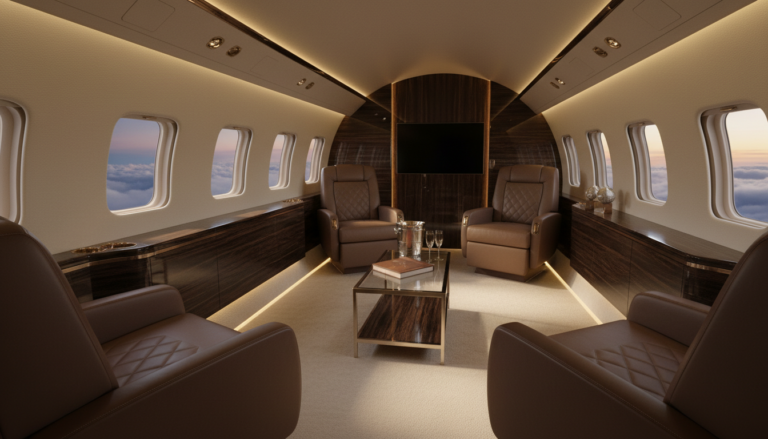
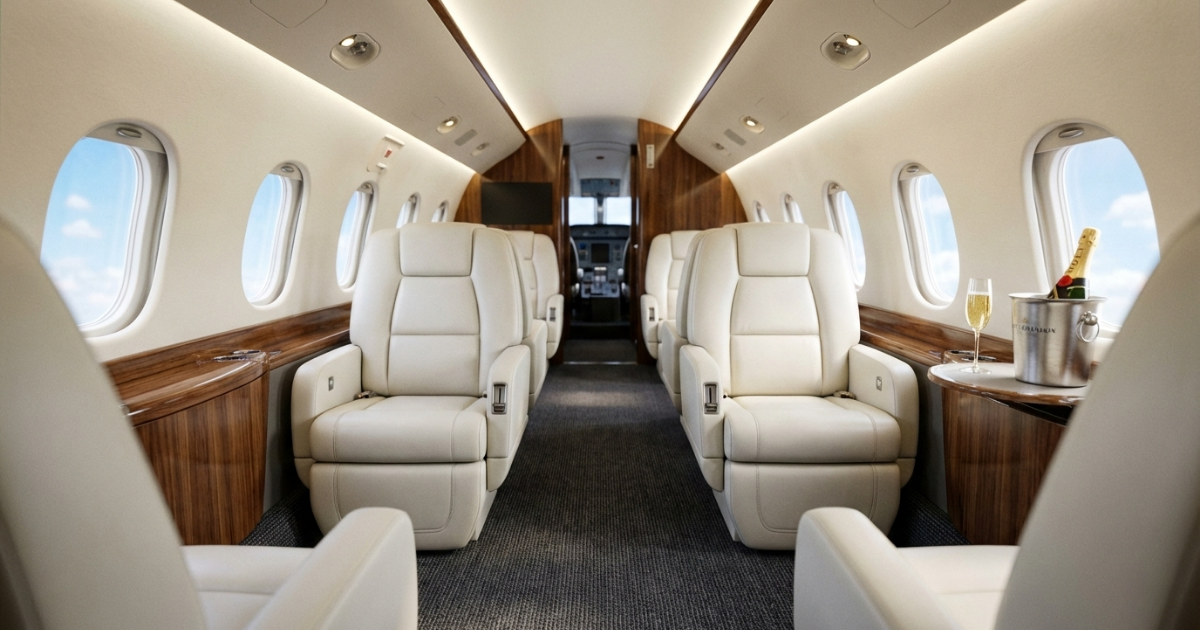
The flight itself: Cabin quality varies by operator and aircraft age, so read the specs before booking. A well-maintained mid-size jet feels genuinely comfortable — leather seating, real legroom, and the ability to have a conversation at normal volume. I noticed the difference immediately the first time I flew on one: the noise level is dramatically lower than a commercial airliner.
Landing: You often land at a secondary airport much closer to your actual destination. Instead of Paris CDG and a 90-minute drive, you might land at Le Bourget, which is 20 minutes from the city center. This alone can save 2–3 hours on a short European hop.
The Downsides (The Part Most Reviews Skip)
Here’s where I keep it real with you.
- Empty Legs are unreliable for planned trips. If your schedule is fixed — anniversary dinner, important meeting, wedding — don’t rely on an Empty Leg to come through. Book a standard charter or manage expectations.
- Pricing fluctuates more than you’d expect. Fuel prices, seasonality, and last-minute demand all affect quotes. What you see today might look different next week.
- Smaller aircraft can be tight for taller travelers. A turboprop or light jet is perfectly fine for 1–2 people on a short trip. For a group of 6 on a 4-hour flight? You’re going to want a mid-size or heavy jet. Check cabin height specs — seriously.
- It’s not designed for budget travelers. Even with Empty Legs, you’re looking at $3,000+ for most routes. If flying private is a one-time splurge for a honeymoon, great. If you’re trying to replace commercial flying entirely on a moderate income, the math won’t work.
Who Should (and Shouldn’t) Book This
| ✅ Book It If… | ❌ Skip It If… |
|---|---|
| ✦You fly 5–20 hours privately per year and don’t want a fractional contract | ✗Your travel dates are completely non-negotiable and you’re hoping for Empty Leg pricing |
| ✦You value time savings over everything — the secondary airport routing alone is worth it | ✗You’re solo and the per-person cost doesn’t make sense vs. business class |
| ✦You’re a group of 4–8 splitting the cost — the per-person price gets surprisingly reasonable | ✗You’re expecting a uniform luxury experience — aircraft quality varies by operator |
| ✦You’re a flexible traveler who can jump on an Empty Leg with 48–72 hours notice | ✗You’re on a strict budget with no flexibility for price fluctuation |
| ✦You run a business where productivity during transit matters |
Charter vs. Fractional vs. Commercial: How the Numbers Actually Stack Up
| Feature |
On-Demand Charter (JetLuxSearch) BEST VALUE |
Fractional Ownership (e.g., NetJets) |
Business Class (Commercial) |
|---|---|---|---|
| Upfront Cost | $0 | $500K–$1M+ | $0 |
| Monthly Fee | $0 | ~$10K–$20K/month | $0 |
| Hourly Rate | ~$5,200 | ~$7,800+ | N/A |
| Commitment | None | 3–5 year contract | None |
| Empty Legs | ✅ Available | ❌ Rarely | ❌ No |
| Airport Flexibility | ✅ Secondary airports | ✅ Secondary airports | ❌ Major hubs only |
| Privacy | ✅ Full aircraft | ✅ Full aircraft | ❌ Shared cabin |
🏆 JetLuxSearch Sweet Spot: Zero commitment, Empty Leg access, and up to 33% lower hourly rates than fractional programs.Where on-demand charter wins: Zero commitment, Empty Leg access, and significantly lower hourly rates than fractional programs. For anyone flying under 50 hours per year, owning or fractionally owning a jet is simply hard to justify financially.
2026 Destinations Worth Knowing About

The trend this year is clear: private flyers are avoiding major commercial hubs and landing closer to the experience itself.
- Bozeman, Montana — Gateway to luxury ranch retreats and ski lodges
- Naples, Florida — Overtaking Miami as the winter destination for the well-traveled crowd
- Scottsdale, Arizona — Golf, spa, and year-round sunshine without the LA traffic
- Nice & Cannes — The European summer never goes out of style, and landing at Nice Côte d’Azur instead of CDG saves half a day
Final Verdict
Is on-demand private jet charter perfect? No. The Empty Leg system requires flexibility, cabin quality isn’t guaranteed across every operator, and it’s not a realistic option for everyone financially.
But is it worth it for the right person in 2026? Absolutely yes.
If you’ve ever done the math on a fractional program and flinched at the upfront cost and monthly fees, on-demand charter genuinely solves that problem. The pricing is transparent, the booking is fast, and access to Empty Legs means luxury travel doesn’t have to cost what it used to.
The private aviation market has quietly become accessible in a way it wasn’t five years ago. You just need to know where to look.
If you’re ready to see what’s actually available on your route right now:
Live Empty Leg Deals
Real-time updates on exclusive one-way
private jet flights.
Save up to 75% instantly.
🗂️ Browse Our Live Deals → ✈️ Search Available Jets Now →🔒 Instant quotes · No commitment · 10,000+ aircraft worldwide